early childhood
Pip’s Tombstone Fantasies
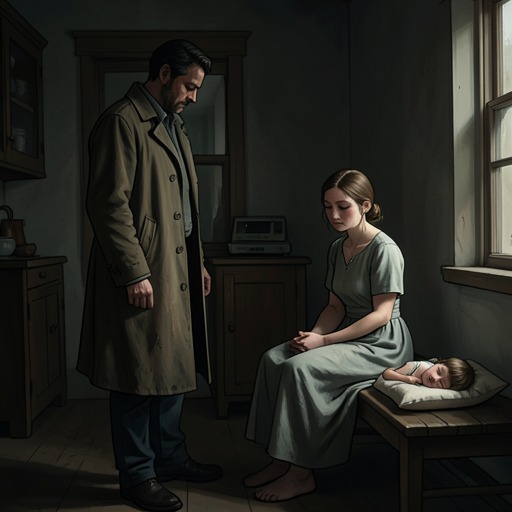
[Pip (Philip Pirrip)](entity:character-recall-character-pip-philip-pirrip-63c3962859ce) as a child called his name [Pip](entity:character-recall-character-pip-adcf1b9353d3) and could only recognize his deceased parents and five dead brothers through their tombstones. The inscriptions and shapes on the tombstones stimulated Pip's childish imagination; at that time, he did not yet know what the desolate marshes
one raw evening in Pip’s childhood
The Convict in the Churchyard
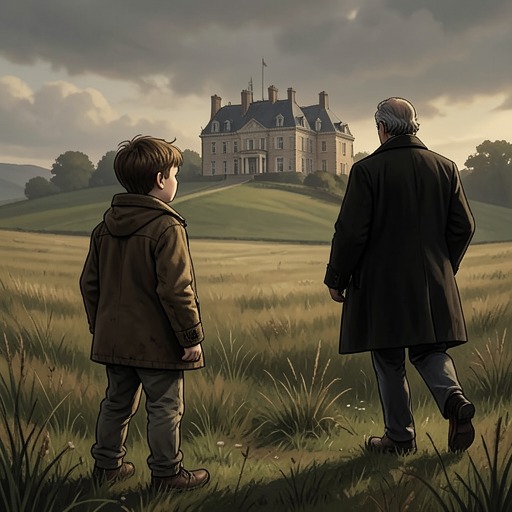
[Pip](entity:character-recall-character-pip-adcf1b9353d3) was alone in the churchyard when he was caught by the escaped convict [Abel Magwitch](entity:character-recall-character-abel-magwitch-efaad87d277d). Magwitch threatened him and demanded a file and food. He mentioned that there was a more dangerous young man lurking nearby, which frightened Pip and forced him to swear to deliver these items to the marshes
Christmas Eve, the morning after the encounter
Pip’s Theft from the Pantry
[Pip](entity:character-recall-character-pip-adcf1b9353d3) was afraid of his own promises and the threats from the other side, so he stole food and brandy from home and took [Joe Gargery](entity:character-recall-character-joe-gargery-f50c28441857)'s file from the blacksmith's shop. His conscience made this familiar journey through the wilderness marshes feel like a flight toward punishment
Christmas Eve, before dawn
The Second Convict
[Pip](entity:character-recall-character-pip-adcf1b9353d3) mistook another fugitive for Magvich on the way to the battery. He found Magvich cold and hungry, gave him the stolen food, and learned that the second fugitive had a bruise on his face and had been looking for a file
Christmas Day, after dusk
The Convicts’ Recapture
Soldiers chasing two fugitives found them struggling together in a ditch in the swamp and captured both. Magvich insisted that he caught and handed over his enemy, Kompesen, rather than letting him escape; subsequently, he admitted to stealing food, including Joe's pie. Joe forgave him
about a year after the Christmas pursuit
Joe’s Story of His Childhood
After [Pip](entity:character-recall-character-pip-adcf1b9353d3) began learning to read and write, Jo told him about his father, who was a drunkard and cruel, who didn't let him go to school and forced him to work. Jo described the suffering his mother endured and his determination to support his mother, revealing a quiet kindness beneath his clumsy
Pip’s childhood, after Christmas
The Visit to Satis House
Professor Pengboqike announced that [Pip](entity:character-recall-character-pip-adcf1b9353d3) was to visit [Miss Havisham](entity:character-recall-character-miss-havisham-567b695d8d57), a wealthy and reclusive lady. At the Satis estate, [Estella](entity:character-recall-character-estella-46fe7171e183) led him into a room with flickering candlelight; Miss Havisham was dressed in a faded wedding dress, sitting between stopped clocks, and
Pip’s first visit to Satis House
Estella’s Contempt
When two people were playing cards, [Estella](entity:character-recall-character-estella-46fe7171e183) mocked [Pip](entity:character-recall-character-pip-adcf1b9353d3)'s rough hands, heavy boots, and working-class speech. Her contempt made him feel ashamed of the life he had once accepted without a second thought; he cried alone in the abandoned distillery courtyard
the evening after his first visit
Pip’s False Account
[Mrs. Joe Gargery](entity:character-recall-character-mrs-joe-gargery-b2de8868cf32) and [Mr. Pumblechook](entity:character-recall-character-mr-pumblechook-cce19655d4d0) questioned [Pip](entity:character-recall-character-pip-adcf1b9353d3), and he invented a series of strange stories about the [Satis House](entity:location-recall-location-satis-house-e717d60cd346), saying there were carriages, dogs, flags, and weapons. Later, he confessed to Joe; Joe advised him not to pursue a respectable status through
Pip’s second visit to Satis House
The Pale Young Gentleman
At [Satis House](entity:location-recall-location-satis-house-e717d60cd346), [Pip](entity:character-recall-character-pip-adcf1b9353d3) met several relatives of [Miss Havisham](entity:character-recall-character-miss-havisham-567b695d8d57) and encountered a stern gentleman, who later turned out to be [Mr. Jaggers](entity:character-recall-character-mr-jaggers-8dca6f4de531). [A pale young gentleman](entity:character-recall-character-bde09dd79718) challenged Pip to a duel in the garden; Pip won by accident, and [Estella](entity:character-recall-character-estella-46fe7171e183) kissed him, but to Pip, the
after Pip’s childhood visits to Satis House
Pip’s Apprenticeship to Joe
[Miss Havisham](entity:character-recall-character-miss-havisham-567b695d8d57) arranged for [Pip](entity:character-recall-character-pip-adcf1b9353d3) to be Joe's apprentice and gave him about twenty-five pounds as payment. Pip's relatives celebrated the money, but he grew more ashamed of the blacksmith's shop and worried that [Estella](entity:character-recall-character-estella-46fe7171e183) would see him working there
during the first years of his apprenticeship
Pip’s Longing for Gentility
During his early years of apprenticeship, [Pip](entity:character-recall-character-pip-adcf1b9353d3) followed [Biddy](entity:character-recall-character-biddy-85edf79aecbd)'s teachings and tried to teach Joe, but without success; his thoughts were always on [Estella](entity:character-recall-character-estella-46fe7171e183) and the gentleman's life she seemed to represent. Biddy reminded him that he might reject the honest happiness that she and Joe could offer for an
during Pip’s fourth apprenticeship year
Mrs. Joe’s Assault
After spending a night at the Three Happy Boatmen's Pub, [Pip](entity:character-recall-character-pip-adcf1b9353d3) and [Mr. Wopsle](entity:character-recall-character-mr-wopsle-c54ba429674b), along with Dorich Olliver, went home and found Miss [Joe Gargery](entity:character-recall-character-joe-gargery-f50c28441857) knocked down in the kitchen. There was a broken escape chain beside her. Although she survived, she suffered long
after Mrs. Joe’s assault
Biddy Joins the Household
After Mrs. Qiao was attacked, [Biddy](entity:character-recall-character-biddy-85edf79aecbd) moved in to live with the Cai family and took care of Mrs. Qiao, who was affected in both speech and movement. She recognized Orlie based on the hammer marks Mrs. Qiao repeatedly stamped on the stone. However, the
near the end of Pip’s apprenticeship
Miss Havisham Ends Pip’s Visits
[Pip](entity:character-recall-character-pip-adcf1b9353d3) visited [Miss Havisham](entity:character-recall-character-miss-havisham-567b695d8d57) on her birthday and received a guinea, but she did not promise him any benefits in the future. Later, he visited again to thank her, but learned that [Estella](entity:character-recall-character-estella-46fe7171e183) had left the country to receive a proper education
the fourth year of Pip’s apprenticeship
Miss Havisham’s Message
After [Estella](entity:character-recall-character-estella-46fe7171e183) returned from abroad, [Miss Havisham](entity:character-recall-character-miss-havisham-567b695d8d57) sent word through Joe that she wished to see [Pip](entity:character-recall-character-pip-adcf1b9353d3). Joe delivered the message in person, despite Pip’s new status and the awkward distance Pip had allowed to grow between them.
fourth year of Pip’s apprenticeship
The Great Expectations
[Mr. Jaggers](entity:character-recall-character-mr-jaggers-8dca6f4de531) arrived at the forge and told [Pip](entity:character-recall-character-pip-adcf1b9353d3) that an unnamed benefactor had provided a fortune and wanted him raised as a gentleman. Pip assumed [Miss Havisham](entity:character-recall-character-miss-havisham-567b695d8d57) was responsible, accepted the secrecy condition, and prepared to leave Joe and the marshes for [London](entity:location-recall-location-1bfd335cdd1b).
the week after the expectations are announced
Pip Leaves the Forge
[Pip](entity:character-recall-character-pip-adcf1b9353d3) received money for his education and new clothes, then departed alone for [London](entity:location-recall-location-1bfd335cdd1b), ashamed to travel beside Joe in the public eye. Only after leaving the village did he break down in tears and recognize how painful the separation was.
the day Pip arrives in London
Pip Meets Herbert Again
At Barnard’s Inn, [Pip](entity:character-recall-character-pip-adcf1b9353d3) discovered that his new companion, [Herbert Pocket](entity:character-recall-character-herbert-pocket-3b0e893d12e7), was the pale young gentleman he had fought in [Miss Havisham](entity:character-recall-character-miss-havisham-567b695d8d57)’s garden. The two laughed off their childhood contest, became friends, and Herbert began teaching Pip the manners of [London](entity:location-recall-location-1bfd335cdd1b) life.
Pip’s first days in London
Herbert Explains Miss Havisham’s Past
Herbert recounted how [Miss Havisham](entity:character-recall-character-miss-havisham-567b695d8d57) had been jilted on her wedding day and had thereafter shut herself away in [Satis House](entity:location-recall-location-satis-house-e717d60cd346). He also described the suspected conspiracy between her half-brother [Arthur Havisham](entity:character-recall-character-arthur-havisham-e8d6e51fa3dc) and her deceitful suitor, [Compeyson](entity:character-recall-character-compeyson-fb2a0aec0946).
Pip’s first months in London
Life with the Pocket Family
[Pip](entity:character-recall-character-pip-adcf1b9353d3) moved into [Matthew Pocket](entity:character-recall-character-matthew-pocket-b601a166d8c7)’s household and saw its disorder: [Belinda Pocket](entity:character-recall-character-belinda-pocket-d17949e75912) obsessed over aristocratic rank while the children and servants managed themselves. Herbert, despite his ambitious talk of commerce, had little money and no clear professional opening.
after Pip settles in London
Jaggers’s Dinner and Molly’s Hands
At dinner with [Mr. Jaggers](entity:character-recall-character-mr-jaggers-8dca6f4de531), [Pip](entity:character-recall-character-pip-adcf1b9353d3) saw the lawyer display his housekeeper [Molly](entity:character-recall-character-molly-578702d2db0d)’s extraordinarily strong, scarred wrists. Jaggers’s controlled treatment of her and Wemmick’s earlier warning that she was a tamed wild creature hinted at a violent past.
early in Pip’s London life
Wemmick’s Castle
Wemmick invited [Pip](entity:character-recall-character-pip-adcf1b9353d3) to his home in [Walworth](entity:location-recall-location-walworth-59484fc02b3c), where he had built a miniature castle with a drawbridge, a cannon, a garden, and a place for his deaf father. Away from the law office, Wemmick revealed an affectionate private life sharply separated from his professional manner.
after Pip comes of age
Pip Funds Herbert’s Partnership
[Pip](entity:character-recall-character-pip-adcf1b9353d3) used part of his five-hundred-pound allowance to arrange secretly for Herbert to join [Clarriker’s firm](entity:organization-recall-organization-clarriker-s-firm-c60a5a597b86). Herbert believed the opportunity had come through his own efforts, and Pip took quiet satisfaction in using his expectations to help a friend.
during Pip’s early adulthood
Estella’s Emotional Training
[Pip](entity:character-recall-character-pip-adcf1b9353d3)’s visits and encounters with [Estella](entity:character-recall-character-estella-46fe7171e183) deepened his unrequited love, while [Miss Havisham](entity:character-recall-character-miss-havisham-567b695d8d57) used Estella’s beauty to torment men and relive her own heartbreak. Estella finally confronted her adoptive mother, insisting that her coldness was the product of the lessons Miss Havisham had taught her.
during Pip’s young adulthood
Drummle Claims Estella
[Bentley Drummle](entity:character-recall-character-bentley-drummle-64e7abf60c8b) announced his acquaintance with [Estella](entity:character-recall-character-estella-46fe7171e183) at the Finches of the Grove, provoking [Pip](entity:character-recall-character-pip-adcf1b9353d3)’s jealousy and a public quarrel. Estella later admitted that she let Drummle pursue her, while warning Pip not to mistake her conduct for love.
before Pip’s twenty-third birthday
Estella Marries Drummle
[Pip](entity:character-recall-character-pip-adcf1b9353d3) learned that [Estella](entity:character-recall-character-estella-46fe7171e183) intended to marry Drummle, despite knowing his brutal and mean character. She insisted the choice was hers, while Pip confessed the depth of his love and left [Satis House](entity:location-recall-location-satis-house-e717d60cd346) believing their separation final.
one stormy night, shortly after Pip’s twenty-third birthday
Magwitch Reveals Himself
An older, weather-beaten visitor arrived at [Pip](entity:character-recall-character-pip-adcf1b9353d3)’s Temple rooms and revealed himself as [Abel Magwitch](entity:character-recall-character-abel-magwitch-efaad87d277d), the escaped convict Pip had helped as a child. Magwitch explained that he had made his fortune abroad and devoted it to turning Pip into a gentleman; Pip recoiled, realizing that [Miss Havisham](entity:character-recall-character-miss-havisham-567b695d8d57) had never been his benefactor.
the morning after Magwitch’s return
Pip Hides Magwitch
[Pip](entity:character-recall-character-pip-adcf1b9353d3) arranged for Magwitch to use the alias Provis and secured him a nearby lodging, while disguising his appearance and concealing him from the household. He confirmed with [Mr. Jaggers](entity:character-recall-character-mr-jaggers-8dca6f4de531) that Magwitch alone had funded his expectations and learned that Magwitch risked death by returning to England.
the days after his return
Magwitch’s Criminal Past
Magwitch told [Pip](entity:character-recall-character-pip-adcf1b9353d3) and Herbert that he had spent much of his youth in and out of prison, then became [Compeyson](entity:character-recall-character-compeyson-fb2a0aec0946)’s accomplice in fraud and forgery. At their joint trial, Compeyson’s education and gentlemanly appearance helped him receive a lighter sentence, while Magwitch was treated as the more dangerous criminal and condemned more severely.
during Magwitch’s account of his past
The Lost Child
Magwitch revealed that a jealous woman had threatened to destroy the little daughter he loved and then vanished with the child. Herbert recognized that [Compeyson](entity:character-recall-character-compeyson-fb2a0aec0946) had been the lover who betrayed [Miss Havisham](entity:character-recall-character-miss-havisham-567b695d8d57), linking Magwitch’s criminal history to the old tragedy at [Satis House](entity:location-recall-location-satis-house-e717d60cd346).
after Magwitch’s identity is revealed
Pip Rejects His Fortune
[Pip](entity:character-recall-character-pip-adcf1b9353d3) could not accept further money from Magwitch and was horrified that his expectations had been built on the savings of a transported convict. Herbert helped him recognize that Magwitch’s attachment could make him reckless if Pip abandoned him, so they resolved first to get him out of England.
after Estella announces her marriage
Pip Confides in Miss Havisham
[Pip](entity:character-recall-character-pip-adcf1b9353d3) confronted [Miss Havisham](entity:character-recall-character-miss-havisham-567b695d8d57) about letting him believe he was destined for [Estella](entity:character-recall-character-estella-46fe7171e183) and asked her to help Herbert. He declared his love to Estella, who said she would marry Drummle and could not return his feelings; Miss Havisham watched the painful exchange with the first signs of remorse.
soon after Estella’s engagement
Pip Discovers Estella’s Mother
At dinner with [Mr. Jaggers](entity:character-recall-character-mr-jaggers-8dca6f4de531) and Wemmick, [Pip](entity:character-recall-character-pip-adcf1b9353d3) recognized that [Molly](entity:character-recall-character-molly-578702d2db0d)’s face, eyes, and knitting gestures resembled [Estella](entity:character-recall-character-estella-46fe7171e183)’s. Wemmick disclosed that Molly had been tried for killing a rival and acquitted through Jaggers’s defense, confirming that she was Estella’s mother.
soon after Pip learns Estella’s parentage
Miss Havisham’s Repentance
[Pip](entity:character-recall-character-pip-adcf1b9353d3) returned to [Satis House](entity:location-recall-location-satis-house-e717d60cd346) and asked [Miss Havisham](entity:character-recall-character-miss-havisham-567b695d8d57) to fund Herbert’s partnership. She gave him authority to pay the money, then knelt and begged him to write that he forgave her; she admitted that she had meant to protect [Estella](entity:character-recall-character-estella-46fe7171e183) but had instead trained her to suppress love.
the same evening as her repentance
Miss Havisham’s Dress Burns
As [Pip](entity:character-recall-character-pip-adcf1b9353d3) prepared to leave, [Miss Havisham](entity:character-recall-character-miss-havisham-567b695d8d57)’s faded bridal dress caught fire. He covered and restrained her with his coats and a tablecloth until the servants arrived, suffering burns to both hands and his left arm while saving her from the flames.
the Monday night before the planned escape
Orlick’s Ambush
An anonymous letter lured [Pip](entity:character-recall-character-pip-adcf1b9353d3) to a ruined sluice-house on the marshes by claiming to offer information about Provis. [Orlick](entity:character-recall-character-orlick-6cbf913c774f) trapped Pip in a noose, revealed that he had attacked Mrs. Joe, and prepared to kill him and destroy his body in a limekiln.
the same night as Orlick’s ambush
Herbert Rescues Pip
Herbert, [Startop](entity:character-recall-character-startop-9d8000c70745), and [Trabb](entity:character-recall-character-trabb-52d944c87943)’s boy followed [Pip](entity:character-recall-character-pip-adcf1b9353d3) after Herbert found the dropped letter in their rooms. They burst into the sluice-house as [Orlick](entity:character-recall-character-orlick-6cbf913c774f) threatened Pip with a hammer, and Orlick escaped into the night; the rescue left Pip’s injured arm badly inflamed but alive for the planned escape.
Wednesday morning, after Pip’s rescue
The Escape by River
[Pip](entity:character-recall-character-pip-adcf1b9353d3), Herbert, and [Startop](entity:character-recall-character-startop-9d8000c70745) collected Magwitch from [Mill Pond Bank](entity:location-recall-location-b56f0eabad2e) and rowed down the Thames, hoping to board a foreign steamer. A four-oared galley intercepted them, and its officers identified Magwitch as a returned transport; when [Compeyson](entity:character-recall-character-compeyson-fb2a0aec0946) was unmasked among the officers, the two enemies grappled and fell into the water.
the day of the river escape
Magwitch Is Recaptured
Magwitch survived the struggle in the water but was taken into custody, injured and shackled. [Compeyson](entity:character-recall-character-compeyson-fb2a0aec0946)’s body was later found, and [Pip](entity:character-recall-character-pip-adcf1b9353d3) accompanied Magwitch back toward [London](entity:location-recall-location-1bfd335cdd1b), recognizing that his own feelings had changed from revulsion to loyalty and compassion.
after Magwitch’s arrest
Magwitch’s Property Is Forfeited
[Mr. Jaggers](entity:character-recall-character-mr-jaggers-8dca6f4de531) warned [Pip](entity:character-recall-character-pip-adcf1b9353d3) that Magwitch’s possessions would be forfeited to the Crown and that Pip had no legal claim to them. Pip refused to chase the money, while keeping Magwitch ignorant of the loss so that his remaining hopes would not be crushed.
during the month before Magwitch’s trial
Herbert Leaves for Cairo
Herbert prepared to leave for Cairo to manage [Clarriker](entity:character-recall-character-clarriker-23cb1cb96890)’s expanding business, even as [Pip](entity:character-recall-character-pip-adcf1b9353d3) faced the approaching trial and feared losing him. He invited Pip to join him later as a clerk, offering him a practical future beyond the ruined expectations.
during Pip’s recovery from the river disaster
Wemmick’s Wedding
Wemmick invited [Pip](entity:character-recall-character-pip-adcf1b9353d3) on a supposedly ordinary walk that turned into his wedding to [Miss Skiffins](entity:character-recall-character-miss-skiffins-998f5edd0f70). The ceremony took place in a church with the [Aged Parent](entity:character-recall-character-aged-parent-5b8cffafa60d) attending, preserving the separation between Wemmick’s private happiness and his professional life.
the next Sessions, after his recapture
Magwitch’s Trial and Sentence
Magwitch was tried for returning to England after transportation and found guilty; his injuries and his history left little room for a successful defense. The court sentenced him to death alongside many other prisoners, while [Pip](entity:character-recall-character-pip-adcf1b9353d3) stood beside him and began petitioning for mercy.
ten days after Magwitch’s death sentence
Pip Reveals Estella’s Survival
As Magwitch weakened in prison, [Pip](entity:character-recall-character-pip-adcf1b9353d3) told him that the daughter he had lost was alive, a beautiful lady, and the woman Pip loved. Magwitch pressed Pip’s hand in recognition and died with the knowledge that his child had survived.
late spring, after Magwitch’s death
Pip’s Fever and Recovery
Grief, fatigue, and illness made [Pip](entity:character-recall-character-pip-adcf1b9353d3) feverish and drowsy, and in his hallucinations, he saw various dangers, returning again to the recent hardships. Jo came to [London](entity:location-recall-location-1bfd335cdd1b) and took care of him until he recovered his strength
during Pip’s illness
Joe Marries Biddy
Qiao told [Pip](entity:character-recall-character-pip-adcf1b9353d3) that she had already married [Biddy](entity:character-recall-character-biddy-85edf79aecbd) while taking care of Pip. Their simple happiness made Pip feel joyful and also made him more deeply aware of the life he had neglected and the kindness he had failed to repay
after his recovery
Pip Returns to the Forge
After [Pip](entity:character-recall-character-pip-adcf1b9353d3) recovered, he intended to confess his mistake to Joe and ask if [Biddy](entity:character-recall-character-biddy-85edf79aecbd) still wanted to spend the rest of her life with him. He found out that they had already married; their kindness spared him from the embarrassment of expressing that hope, which was to be unfulfilled
shortly after his reunion with Joe and Biddy
Pip Leaves for Egypt
[Pip](entity:character-recall-character-pip-adcf1b9353d3) sold all his possessions, arranged to repay Joe for the debts Joe had paid for him, and then went abroad to join Herbert. He worked as an office clerk at Clarke's, gradually taking on more responsibilities, and eventually became a partner
eleven years after Pip left England
Pip’s Return to Joe and Biddy
After many years away from England, [Pip](entity:character-recall-character-pip-adcf1b9353d3) returned to his old kitchen and met Joe and [Biddy](entity:character-recall-character-biddy-85edf79aecbd), along with their young son, also named Pip. This visit restored his friendship with both of them and allowed him to reconnect with the humble home that had once made him feel ashamed to leave
the evening of Pip’s return to the village
Estella and Pip Reunite
[Pip](entity:character-recall-character-pip-adcf1b9353d3) revisits the ruins of [Satis House](entity:location-recall-location-satis-house-e717d60cd346) and meets [Estella](entity:character-recall-character-estella-46fe7171e183). The hardships and a marriage filled with abuse have dulled her former brilliance. They talk as friends, acknowledging the changes hardship has brought to her, and then leave the garden together, no longer certain they will part again